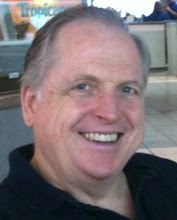
I live in Kane County, Illinois. I waited in line for just under two hours Monday evening at the St Charles North High School for a flu shot to protect against Swine flu (the H1N1 virus). They ran out of shots and gave me an appointment today at the Kane County Fair Grounds to have the injection. I arrived early and was out the door by five minutes after my appointment time.
The Kane County Health Department, Emergency Workers, police departments, and volunteers all did a wonderful job processing the crowds and demonstrating caring and respect for everyone. One of the health care workers told everyone today that more doses are expected to arrive in late November or early December. When this greater number of doses arrive, they can be available from doctors' offices. Several insurance programs have already agreed to underwrite the full cost of the vaccine--including any normal "copays."
My mother (age 94) will have to wait awhile. One way to look at this protection is that the same people who are encouraged to get a seasonal flu shot probably need to get the H1N1 shot as well. Children and people under 24 seem not to have much immunity to the virus and it has a strong effect on pregnant women.
In the lines I saw parents and teachers among the crowd. Lots of people are exposed to the virus and health care workers and all the other people I see certainly need the protection the shots (or injections of live virus for people who can deal with that) provide.
The Centers for Disease Control and Prevention (CDC) now have two web pages. One for the H1N1 (Swine) Flu and one for the Seasonal Flu.
In an earlier post to this blog, I made some suggestions for teachers to get vaccinated against both types of flu this year. I'd like to extend that to everyone else who reads this blog unless an allergy or something else makes you not a good candidate to take the vaccinations. I still believe it is also part of basic preventative medicine.
Showing posts with label flu shots. Show all posts
Showing posts with label flu shots. Show all posts
Wednesday, October 28, 2009


Wednesday, August 26, 2009
Walking the Talk--Preventive Medicine and Vaccinations
I believe that it is important to "walk my talk" (to put into practice what I advocate). (See my blog post about "What if everything were perfect, just the way it is?").
My health care plan would only pay for the normal seasonal flu shot for 2009-2010 if my doctor administered the shot. My doctor's office is not planning to get the vaccine until late in September, 2009.
The Centers for Disease Control (CDC) have released the seasonal flu vaccine and pharmacies are already stocked. Guidelines from the CDC advise administering the flu shots as soon as the supplies become available.
I went to my local Dominick's (Safeway) pharmacy and the pharmacist administered the flu shot. Because insurance wouldn't cover the flu shot administered by a pharmacist, I paid $28 for the shot--well worth it to get it while I'm well and before flu season starts. The vaccine should "stay in my system" for one year--through this year's flu season.
In October or November, if all goes well, the H1N1 (Swine Flu) vaccine will be available and distributed. I plan to be in line for that vaccination as soon as I can qualify for it.
I had a Shingles vaccination last year. I had chicken pox as a child and my cousin--at the age of 60--contracted shingles. The one-time vaccination is supposed to protect me from shingles for the rest of my life.
My 10-year pneumonia vaccination expires this year and I'll be getting another one of those as well. When I had an annual physical with my doctor earlier this month, he advised me that I'm nearing the end of protection of my tetanus vaccination. I'll be OK for another two or three years as long as I don't have a "dirty" wound. If I have one they'll give a booster shot.
Preventive medicine--which, for me, includes vaccinations--is important. As with an automobile, it's better to catch or prevent problems rather than trying to fix them. Part of my preventive medicine routine is to have an annual physical and to have an annual eye exam--both of which I had in August. I also go to specialists as needed.
In 2008 I almost waited too long to have my appendix out--it hurt in my back rather than in my right side. I was fooled by the placement and, when the emergency room took a CT-Scan, it showed that my appendix had "flipped over" somehow and was at my back rather than at my side. I had felt pain a month before I went to the emergency room and then it passed. It turns out that my appendix was already dead and was about to burst. (It didn't.) The surgeon saw me about 7:00AM (I had come to the emergency room at 5:00AM) and said that he was going to "warm up" by removing a gall bladder, then I was second on his "dance" (surgery) card. He did a laparoscopic appendectomy and I was out of the hospital within 36 hours of going to the emergency room.
I do water aerobics almost daily and the day before I had my appendix removed I had done 400 sit-ups in the water (thank heaven they were in the water). I usually am in the water between 5:00 and 7:00AM and the next day, rather than going to the wellness center on the hospital grounds, I drove myself to the emergency room.
I'm pretty healthy and plan to stay that way. How about you?
My health care plan would only pay for the normal seasonal flu shot for 2009-2010 if my doctor administered the shot. My doctor's office is not planning to get the vaccine until late in September, 2009.
The Centers for Disease Control (CDC) have released the seasonal flu vaccine and pharmacies are already stocked. Guidelines from the CDC advise administering the flu shots as soon as the supplies become available.
I went to my local Dominick's (Safeway) pharmacy and the pharmacist administered the flu shot. Because insurance wouldn't cover the flu shot administered by a pharmacist, I paid $28 for the shot--well worth it to get it while I'm well and before flu season starts. The vaccine should "stay in my system" for one year--through this year's flu season.
In October or November, if all goes well, the H1N1 (Swine Flu) vaccine will be available and distributed. I plan to be in line for that vaccination as soon as I can qualify for it.
I had a Shingles vaccination last year. I had chicken pox as a child and my cousin--at the age of 60--contracted shingles. The one-time vaccination is supposed to protect me from shingles for the rest of my life.
My 10-year pneumonia vaccination expires this year and I'll be getting another one of those as well. When I had an annual physical with my doctor earlier this month, he advised me that I'm nearing the end of protection of my tetanus vaccination. I'll be OK for another two or three years as long as I don't have a "dirty" wound. If I have one they'll give a booster shot.
Preventive medicine--which, for me, includes vaccinations--is important. As with an automobile, it's better to catch or prevent problems rather than trying to fix them. Part of my preventive medicine routine is to have an annual physical and to have an annual eye exam--both of which I had in August. I also go to specialists as needed.
In 2008 I almost waited too long to have my appendix out--it hurt in my back rather than in my right side. I was fooled by the placement and, when the emergency room took a CT-Scan, it showed that my appendix had "flipped over" somehow and was at my back rather than at my side. I had felt pain a month before I went to the emergency room and then it passed. It turns out that my appendix was already dead and was about to burst. (It didn't.) The surgeon saw me about 7:00AM (I had come to the emergency room at 5:00AM) and said that he was going to "warm up" by removing a gall bladder, then I was second on his "dance" (surgery) card. He did a laparoscopic appendectomy and I was out of the hospital within 36 hours of going to the emergency room.
I do water aerobics almost daily and the day before I had my appendix removed I had done 400 sit-ups in the water (thank heaven they were in the water). I usually am in the water between 5:00 and 7:00AM and the next day, rather than going to the wellness center on the hospital grounds, I drove myself to the emergency room.
I'm pretty healthy and plan to stay that way. How about you?
Wednesday, August 19, 2009
Awareness-Acceptance-Action and Evidence for Action
In an earlier post I described the aspects of learning and change. There are three components that must be in place for change to take place at an individual or organizational level. These are: Awareness, Acceptance, and Action (view slides 8 and 9). In the last 24 hours I have had conversations in multiple contexts that show how these steps have to be personalized before action can be even considered.
Yesterday I wrote about the need for flu vaccinations early this year--the Centers for Disease Control (CDC) have already approved the release and distribution of "regular, seasonal" flu vaccines that we usually see in October. Because we need three shots this year, the CDC is encouraging everyone to take the seasonal shot early. Several people I spoke with had not personalized that information. They had "lumped" the seasonal flu shot and the H1N1 (Swine flu) shot--not projected to be available until October or November--together and were avoiding thinking about any flu shots until later in the year.
Today I was having a conversation about the challenge that some association managers have in trusting in and personalizing information they may receive from research reports, news letters, and well known speakers regarding the needs of the members of their associations. At the same time few of these association managers actually ask questions of their members to take authentic input regarding unmet needs.
This reminds me, again, of some classic action learning concepts. Reg Revans, one of the founders of action learning, was a researcher in the United Kingdom and was involved in the follow-up to the sinking of the Titanic.
As I recall the history, he went to leaders of the different engineering groups who built the Titanic and received the same kind of message from several of the most distinguished engineers working on the project. (This is a paraphrase, of course.) "I thought that the "xyz" (pick an engineering problem) was a problem and then I realized that "Dr. ABC" (another leading expert in the field) was in charge of that department and I knew that what I was wondering about must have been handled by the experts. Enough of the "xyz" problems existed when the Titanic went to sea that it sank after colliding with an iceberg.
Association managers and everyone else make decisions every day--some of which are based on evidence and others on emotions or other factors. A major question remains, what evidence is required to be accepted and trusted on a personal level to allow a decision-maker to move through the phases of awareness (there is a need to change); acceptance (I must take--or approve--action to make a change); and action (actually moving through the learning and change and investment required to accomplish the change)?
The earlier post mentioned the concept of denial. What evidence of decay (lack of positive growth) or dis-ease is needed before a decision-maker recognizes that there is a new need to change. What used to work is no longer working. What do I (we) need to do now?
Sometimes membership groups need to ask questions of their members. At other times the information resources of newsletters, magazines, reviews, media, and informed speakers can provide the necessary information to allow the decision-maker to take action--even if the initial action is to ask questions of the membership. In fact, sometimes the act of asking questions actually informs the people being asked.
What evidence for change are you looking for? How will you recognize it when you see it? What will it take for you to move through the three phases--awareness-acceptance-action--and do something about it?
Yesterday I wrote about the need for flu vaccinations early this year--the Centers for Disease Control (CDC) have already approved the release and distribution of "regular, seasonal" flu vaccines that we usually see in October. Because we need three shots this year, the CDC is encouraging everyone to take the seasonal shot early. Several people I spoke with had not personalized that information. They had "lumped" the seasonal flu shot and the H1N1 (Swine flu) shot--not projected to be available until October or November--together and were avoiding thinking about any flu shots until later in the year.
Today I was having a conversation about the challenge that some association managers have in trusting in and personalizing information they may receive from research reports, news letters, and well known speakers regarding the needs of the members of their associations. At the same time few of these association managers actually ask questions of their members to take authentic input regarding unmet needs.
This reminds me, again, of some classic action learning concepts. Reg Revans, one of the founders of action learning, was a researcher in the United Kingdom and was involved in the follow-up to the sinking of the Titanic.
As I recall the history, he went to leaders of the different engineering groups who built the Titanic and received the same kind of message from several of the most distinguished engineers working on the project. (This is a paraphrase, of course.) "I thought that the "xyz" (pick an engineering problem) was a problem and then I realized that "Dr. ABC" (another leading expert in the field) was in charge of that department and I knew that what I was wondering about must have been handled by the experts. Enough of the "xyz" problems existed when the Titanic went to sea that it sank after colliding with an iceberg.
Association managers and everyone else make decisions every day--some of which are based on evidence and others on emotions or other factors. A major question remains, what evidence is required to be accepted and trusted on a personal level to allow a decision-maker to move through the phases of awareness (there is a need to change); acceptance (I must take--or approve--action to make a change); and action (actually moving through the learning and change and investment required to accomplish the change)?
The earlier post mentioned the concept of denial. What evidence of decay (lack of positive growth) or dis-ease is needed before a decision-maker recognizes that there is a new need to change. What used to work is no longer working. What do I (we) need to do now?
Sometimes membership groups need to ask questions of their members. At other times the information resources of newsletters, magazines, reviews, media, and informed speakers can provide the necessary information to allow the decision-maker to take action--even if the initial action is to ask questions of the membership. In fact, sometimes the act of asking questions actually informs the people being asked.
What evidence for change are you looking for? How will you recognize it when you see it? What will it take for you to move through the three phases--awareness-acceptance-action--and do something about it?
Subscribe to:
Posts (Atom)

 Posts
Posts